









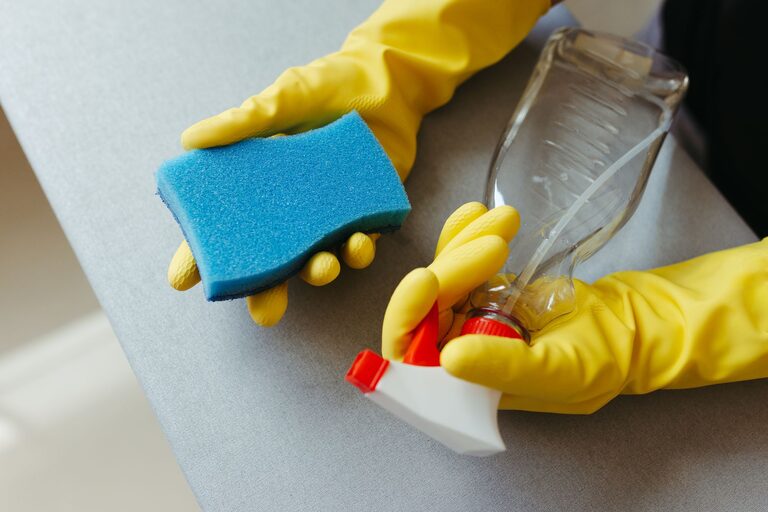
Cleaning up after dinner can sometimes feel like a daunting task, especially after a long day. However, by adopting a few simple habits and strategies, you can make the process quicker, less stressful, and even enjoyable. Here are some helpful ideas to simplify your dinner cleanup and keep your kitchen tidy with minimal effort.
1. Plan Ahead for Cleanup
Use Fewer Dishes and Tools
One effective way to reduce cleanup time is to limit the number of dishes and utensils used during cooking and serving. Try cooking one-pot meals or sheet pan dinners that require fewer pans and baking dishes.
Prep Ingredients in Advance
Prepare and portion your ingredients ahead of time, so you’re not juggling multiple steps at once. This streamlines cooking and reduces the likelihood of extra messes.
2. Clean as You Go
Wash or Rinse While Cooking
Instead of waiting until the end, try to wash cutting boards, knives, and mixing bowls as soon as you’re done using them. Even rinsing utensils immediately can prevent food from drying on them and make later cleaning easier.
Keep a Trash Bowl Nearby
Place a bowl or container nearby to toss scraps like vegetable peels or food wrappers as you cook. This helps avoid frequent trips to the trash can and keeps your workspace tidy.
3. Use Easy-Clean Cooking Tools
Nonstick Pans and Silicone Mats
Nonstick surfaces reduce baked-on food, making cleaning much simpler. Silicone baking mats can replace parchment paper and foil to minimize waste and mess.
Dishwasher-Safe Items
Choose cookware and utensils that are dishwasher safe to save time and effort. Loading the dishwasher as you go can also help speed up the post-meal cleanup process.
4. Organize Your Kitchen Cleaning Supplies
Keep Essentials Handy
Store dish soap, sponges, scrubbers, and towels conveniently near your sink or dishwasher. Having these within arm’s reach encourages quick cleaning sessions.
Use Separate Sponges or Brushes
Assign different kitchen sponges or brushes for dishes, counters, and cutting boards. This avoids cross-contamination and makes cleaning more effective.
5. Clear the Table Quickly
Use Baskets or Bowls
Instead of carrying plates, cups, and utensils one by one, use a basket or bowl to collect everything at once. This makes clearing off the table faster and more efficient.
Wipe Down Surfaces Immediately
After clearing dishes, wipe down the table and countertops right away to prevent stains and sticky spots from setting in.
6. Involve Family Members or Housemates
Assign Tasks
Share cleanup duties by assigning easy, specific tasks to each person. For example, someone can clear the table while another rinses dishes.
Make It Fun
Turn cleanup time into a team effort or even a game. Play upbeat music or set a timer to see how quickly you can finish cleaning together.
7. Use Time-Saving Cleaning Hacks
Soak Dishes or Pots
Fill pots or pans with warm soapy water to soak immediately after cooking, loosening stubborn food residues for easier scrubbing later.
Use Baking Soda and Vinegar
For tougher stains or greasy spots, sprinkle baking soda and spray vinegar before scrubbing. This natural solution helps cut through grime without harsh chemicals.
8. Maintain a Routine
Regular Deep Cleaning
Set a weekly schedule for deeper kitchen cleaning tasks like wiping down appliances, cleaning the sink drain, and organizing cabinets. Staying on top of these chores reduces buildup and keeps daily cleanup manageable.
Nightly Quick Clean
Make it a habit to do a quick kitchen tidy-up each evening. Simple actions like clearing counters, washing a few dishes, or taking out the trash can make mornings easier too.
—
By incorporating these ideas into your routine, dinner cleanup can become a much less stressful part of your day. The key is to plan ahead, stay organized, and find small ways to tackle messes as they happen. With practice, keeping your kitchen clean after dinner will feel much more manageable — and leave you more time to enjoy the rest of your evening.