









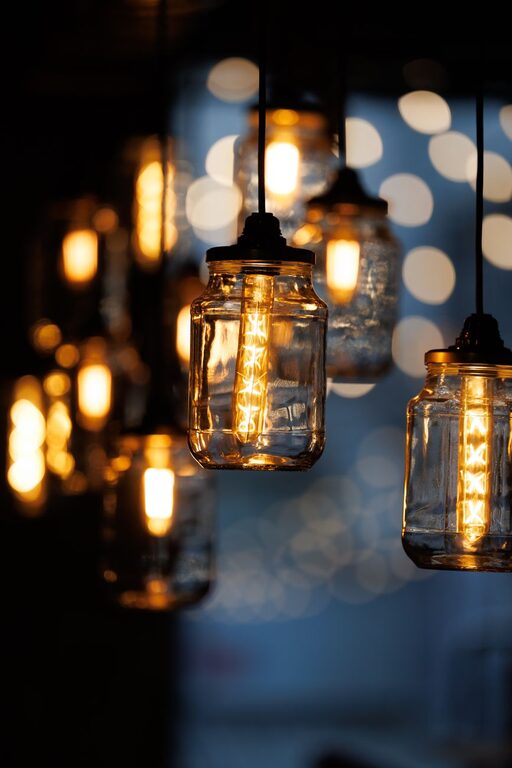
Creating a comfortable living space starts with more than just furniture and colors — lighting plays a key role in how cozy and inviting your home feels. The right lighting not only brightens your rooms but also impacts your mood and productivity. Whether you’re updating a single room or revamping your entire home, choosing comfortable lighting requires a thoughtful approach.
This guide covers helpful tips to select lighting that balances function and style while supporting relaxation and well-being.
Understand the Importance of Layered Lighting
One of the most effective ways to create comfortable lighting is through layering. Layered lighting combines three main types:
– Ambient lighting: The general light that fills a room and enables safe movement.
– Task lighting: Focused light that helps you perform specific activities like reading, cooking, or working.
– Accent lighting: Decorative light used to highlight artwork, plants, or architectural features.
Using a mix of these light sources allows you to control the mood and functionality of a space. For example, a living room may have ceiling lights for ambiance, table lamps for reading, and LED strip lights to accent shelves.
Choose Warm Color Temperatures
Light color is measured in Kelvins (K), which indicates whether light appears warm (yellowish), neutral, or cool (bluish). For comfortable home lighting, warmer temperatures tend to be more relaxing:
– 2700K to 3000K: Soft white, ideal for living rooms, bedrooms, and dining areas.
– 3500K to 4100K: Neutral white, good for kitchens and bathrooms where clarity matters.
– 5000K and above: Cool white or daylight, better suited for workspaces but can feel harsh in living areas.
Warm light mimics natural sunlight during sunset, creating a cozy atmosphere that promotes relaxation. Try to avoid overly bright, cool lighting in spaces meant for winding down.
Focus on Adjustable Lighting
Flexibility is key in comfortable home lighting. Consider options that allow you to adjust brightness and direction:
– Dimmers: Installing dimmer switches helps you control light intensity from bright to soft, matching your mood and activities.
– Adjustable fixtures: Lamps and sconces with movable arms or swivel heads can direct light where needed.
Adjustable lighting helps reduce glare and eye strain, making rooms more comfortable throughout the day and evening.
Pay Attention to Fixture Placement
Where you place lighting fixtures significantly affects comfort. Here are some placement tips:
– Avoid direct overhead lights that shine straight into your eyes.
– Position task lighting close to where you work or read, preventing shadows.
– Use floor lamps or table lamps near seating areas to create inviting spaces.
Think about natural light sources such as windows; complement them with artificial lighting to maintain a balanced environment.
Consider Energy-Efficient Bulbs
Comfortable lighting doesn’t have to come with high energy costs. Modern LED bulbs use much less electricity and last longer than traditional incandescent bulbs. LEDs also come in various color temperatures and dimmable options, making them versatile for home use.
Switching to energy-efficient lighting can reduce your bills and environmental footprint without compromising on comfort.
Match Lighting Style with Your Decor
Lighting fixtures contribute to the overall aesthetic of your home. Select styles that blend with or complement your décor:
– Minimalist fixtures suit modern, clean-lined interiors.
– Classic chandeliers or lantern-style lights work well in traditional or rustic spaces.
– Unique pendants and artistic lamps can serve as focal points in eclectic rooms.
Choosing lighting that aligns with your style helps create a cohesive and inviting atmosphere.
Use Smart Lighting for Added Convenience
Smart lighting technology allows you to control your home’s lights using a smartphone or voice commands. Features to look for include:
– Scheduling lights to turn on/off automatically.
– Adjusting brightness and color temperature remotely.
– Syncing lights with music or alarms.
Smart lighting can increase comfort by adapting your environment effortlessly throughout the day.
Test Lighting Before Final Installation
Before committing to permanent fixtures or bulbs, test them out in your space. Try different bulbs in lamps or use temporary setups during various times of day to see how they affect ambiance and comfort.
Taking time to experiment helps avoid costly mistakes and ensures you’ll be happy with the final result.
Conclusion
Comfortable home lighting enhances both the functionality and ambiance of your living space. Focus on layering your lights, choosing warm color temperatures, and incorporating adjustable and energy-efficient options. Thoughtful fixture placement and style coordination further elevate comfort. Exploring smart lighting can add convenience and flexibility.
By carefully planning your home’s lighting, you can create a welcoming environment where you feel relaxed and energized, no matter the time of day.